
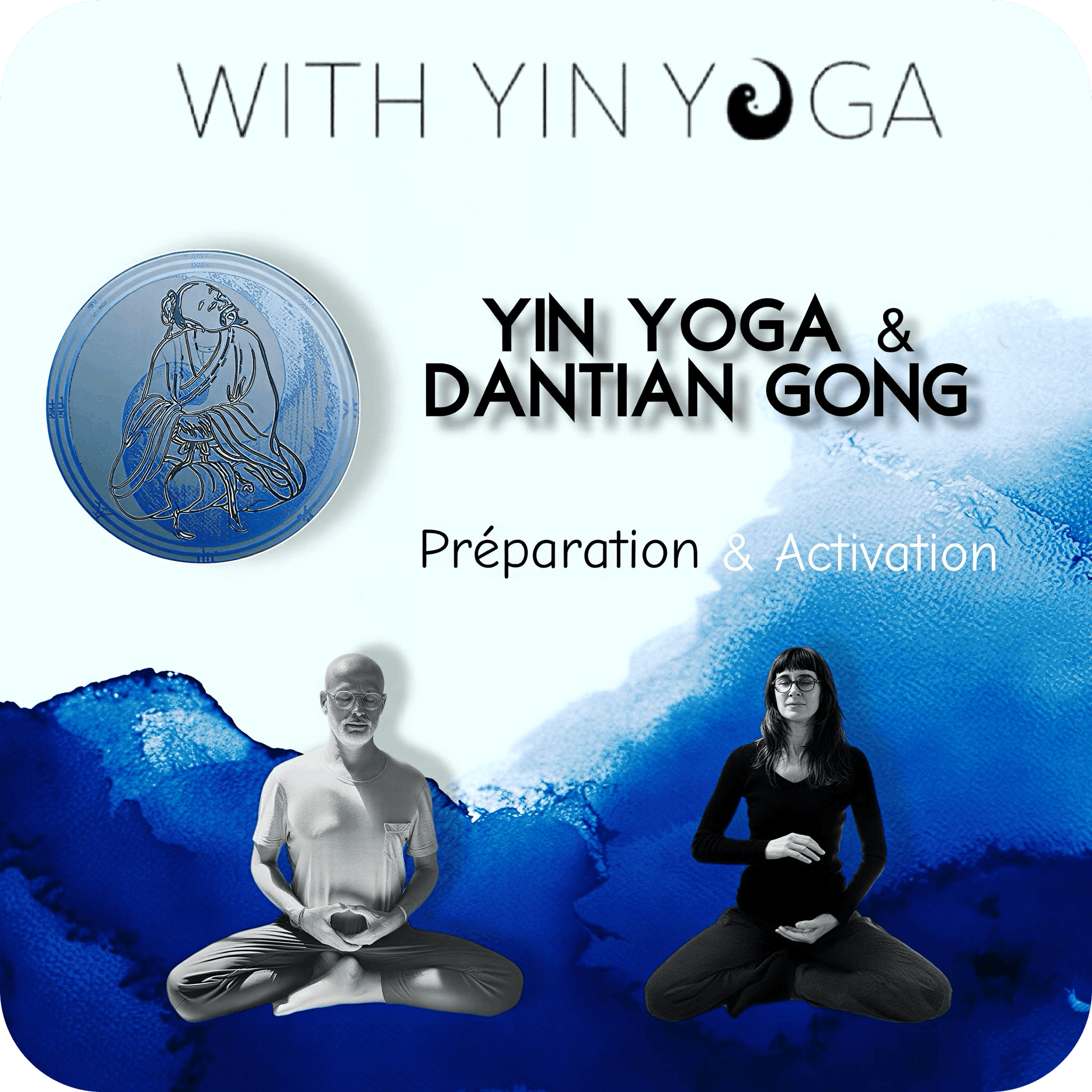
Yin Yoga & DANTIAN GONG Workshop
November 7–8, 2026
A 6-hour workshop focused on the preparation and activation of the lower Dantian. Supported by the practice of Yin Yoga.
Saturday November 7
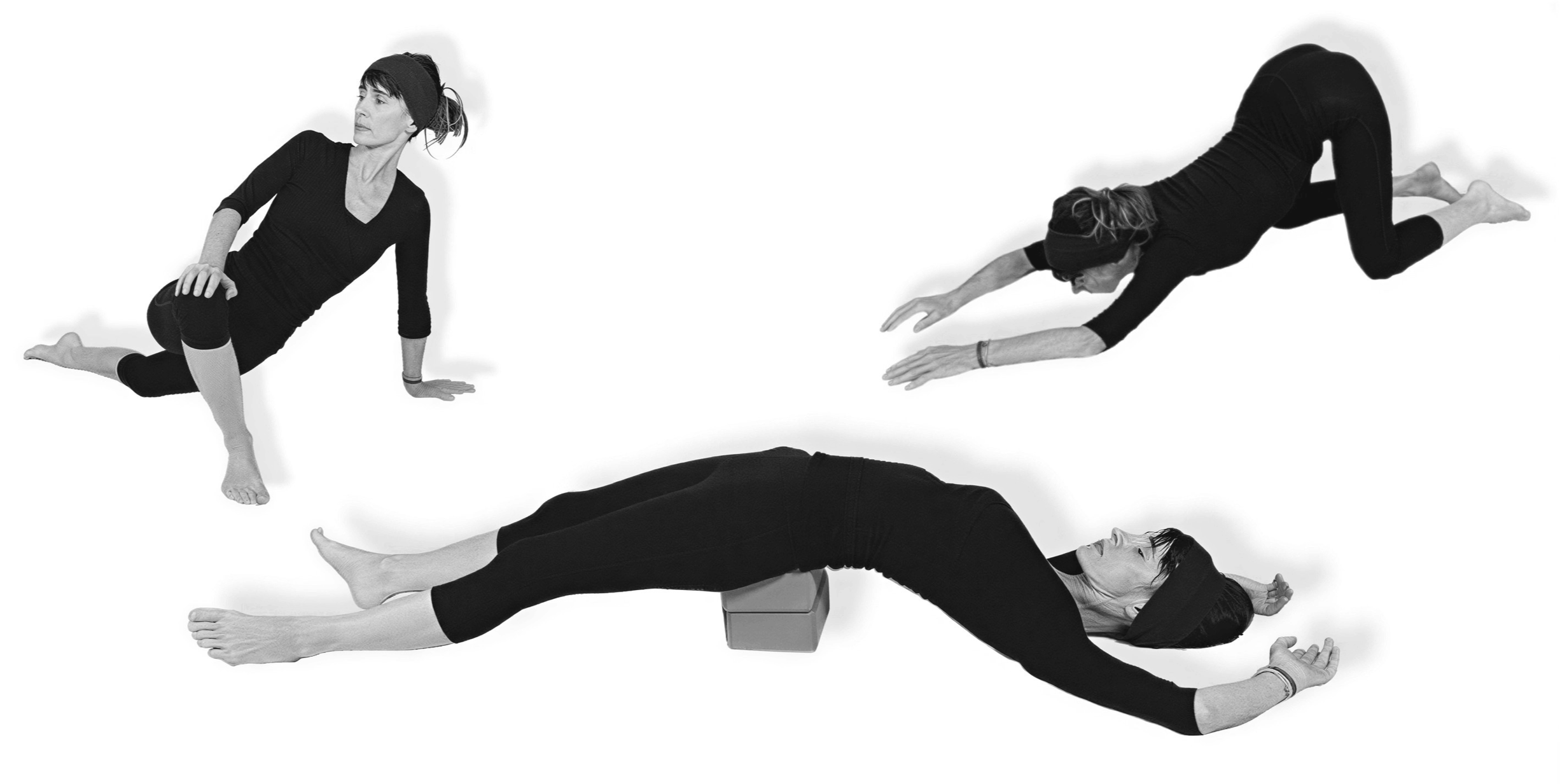
9:00 a.m. to 10:30 a.m.: Practice: YIN YOGA - TAO YOGA - 1st SEQUENCE
A combination of Ji ben Gong (基本功) and Yin Yoga that helps you reconnect with the main myofascial chains to release and eliminate tension, resistance, and adhesions in the body. This practice involves preparing and transforming the body; its goal is to open the body, release tension, direct the Qi downward, and work on specific superficial channels, in order to prepare for a deeper practice.
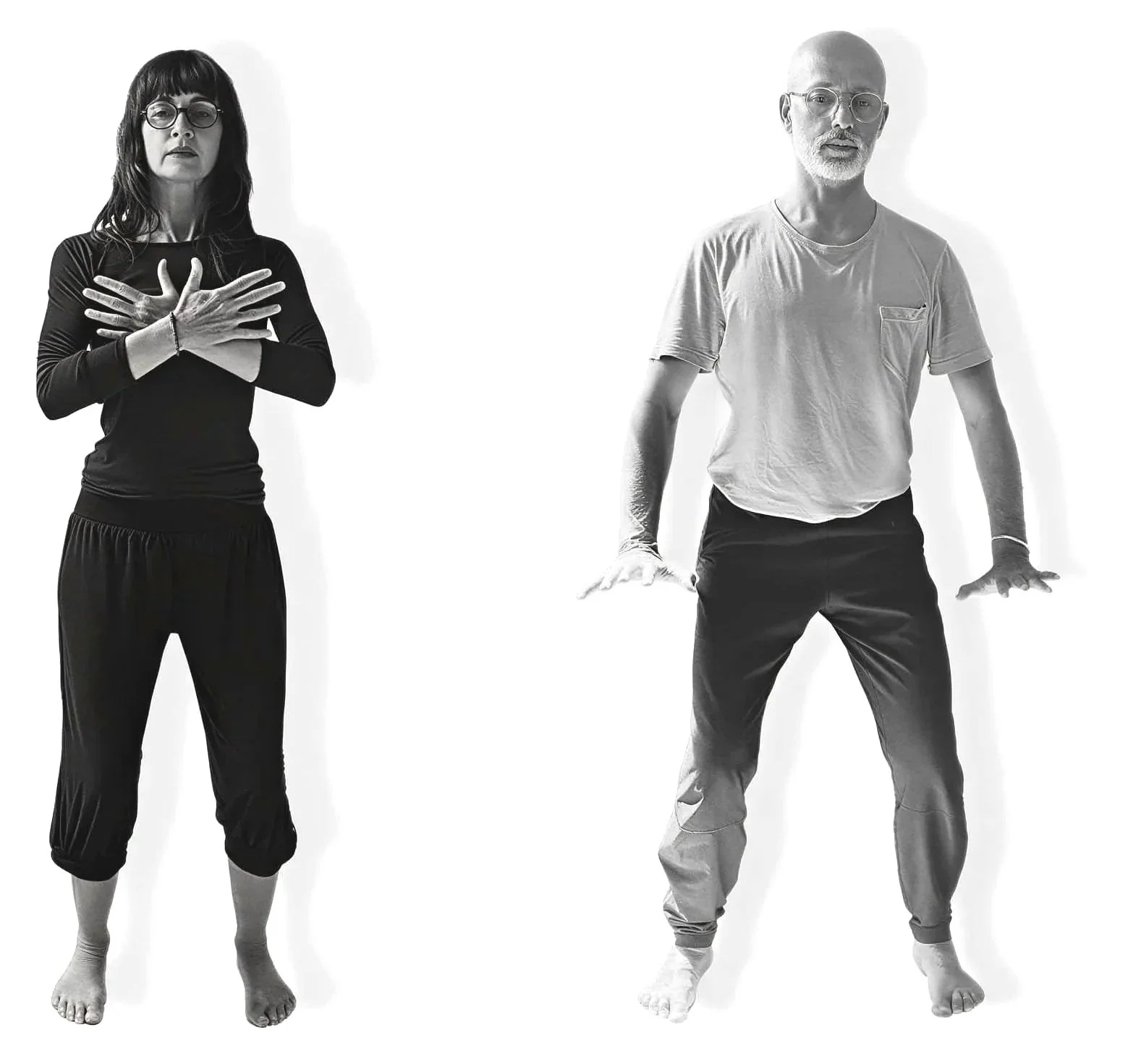
Wuji is a standing posture of the zhan zhuang that emphasizes a heavy, relaxed grounding, Song (鬆) and an expansive yet gentle and grounded force. Wuji serves as a framework for preparing the body and mind so that posture, alignment, and breathing create the conditions conducive to the development of the lower dantian.
10:30 a.m. to 11:10 a.m.: Theory: The Lower Dantian
What is the Lower Dantian?
The Lower Dantian is a (magnetic) field located in the lower abdomen, below the navel and above the perineum, which serves as a coordination center and reservoir for Qi: the body first develops the Yin Field, which takes shape within the abdominal cavity, and then the Yang Qi is guided there, where it can be stored, consolidated, and then used to regulate and circulate Qi throughout the body.
Location of the Lower Dantian
In order to develop a stable receptacle for the flow of energy Qi, preventing its dissipation and enhancing overall vitality.
The Lower Dantian is located below the navel, about 5 to 7 cm (or 2 to 3 fingers) away, but its center is situated within the abdominal cavity. Let’s explore its exact location together.
Time set aside for questions and answers.
10-minute break.
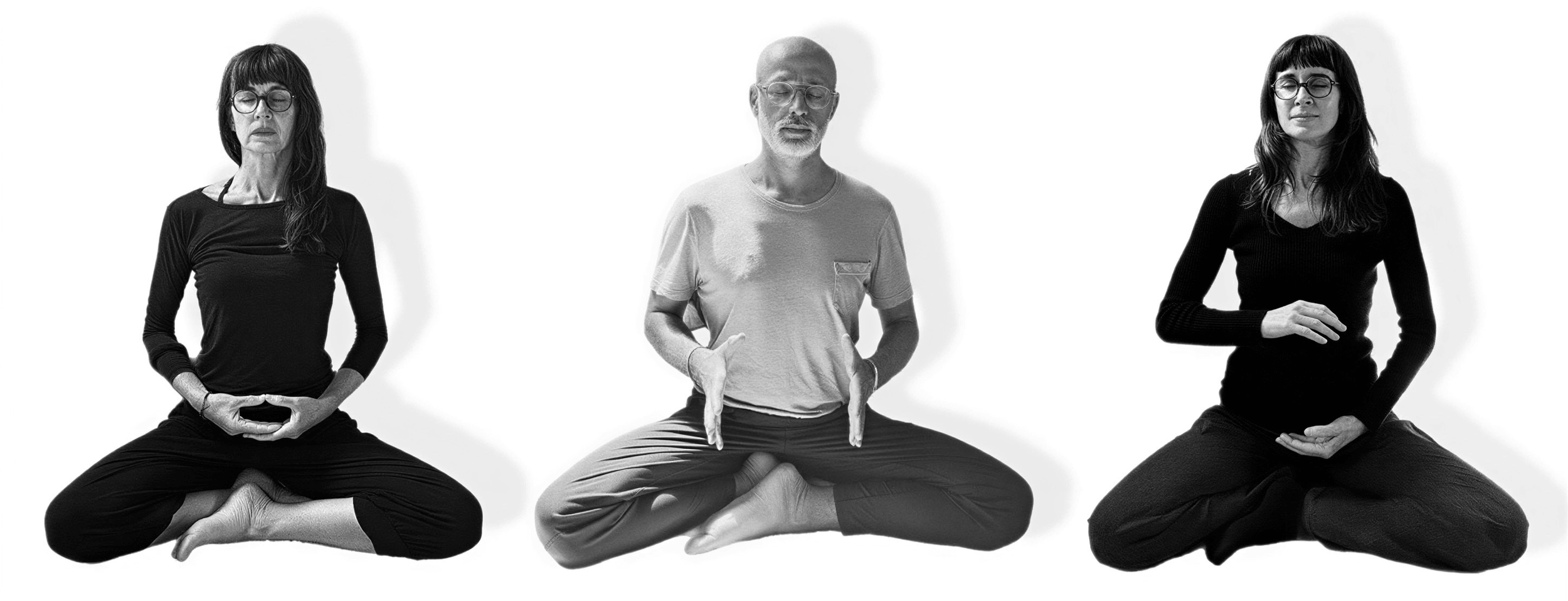
11:20 a.m. to 12:00 p.m.: Practice: Meditation on the Lower Dantian
Preparation for practicing the Lower Dantian.
At first, a large part of the practice involves locating this space, learning to breathe within it, and harmonizing the relationship between the body and mental activity through the breath.
As this develops, the Dantian becomes a stable foundation. It draws the mind inward and provides your practice and your body with a center of gravity. This preliminary meditative practice has two objectives: first, to define the boundaries of the lower Dantian, and second, to calm the mind. By slowing down all rhythms, the practitioner will find the mental calm necessary to refocus on the lower Dantian.
Taoist Breathing: Passive Breathing.
Regulate your breathing Tiáo Xī (调息) so that it becomes slow, deep, steady, and harmonious —Slower, more subtle, and focused on stillness, these practices aim to guide the Qi downward, calm the mind, and refine internal energy over time, rather than elicit an intense, immediate experience.
Sunday November 8
9:00 a.m. to 10:30 a.m.: Practice: YIN YOGA - TAO YOGA - 2 SEQUENCES
A combination of Ji ben Gong (基本功) and Yin Yoga that helps you reconnect with the main myofascial chains to release and eliminate tension, resistance, and adhesions in the body. This practice involves preparing and transforming the body; its goal is to open the body, release tension, direct the Qi downward, and work on specific superficial channels, in order to prepare for a deeper practice.
•Wuji is a standing posture similar to zhan zhuang that emphasizes a heavy, relaxed sinking sensation, Song (鬆), and an expansive yet gentle and grounded force. Wuji serves as a framework for preparing the body and mind so that posture, alignment, and breathing create the conditions conducive to the development of the lower dantian.
10:30 a.m. to 11:20 a.m.: Theory: An Overview of Dantian Gong Practice and the Qualities to Cultivate.
The 5 Qualities and Their Effects
There are five qualities to cultivate and develop in relation to breathing when practicing Dantian Gong.
These qualities are as follows:
1 - Jing (静) – Calm, to soothe the breath and allow the nervous system to relax.
2 - Shen (深) – Depth, rooted in the Dantian to promote the consolidation of Qi in the lower abdomen.
3 - You (悠) – At ease and relaxed, letting go and allowing your breath to find its own natural rhythm, without forcing or holding back.
4 - Huan (缓) – Slow and gradual; to lengthen the exhalation, which becomes the means of releasing tension.
5 - Mian (绵) – Gentle and continuous; to refine to the point of subtlety, where the breath becomes imperceptible.
These five qualities are not imposed, but emerge gradually as relaxation deepens. Calm breathing promotes depth; depth brings relaxation; relaxation promotes slowness; slowness transforms into gentleness.
Time set aside for questions and answers.
10-minute break
11:30 a.m. to 12:00 p.m.: Practice: Meditation on the Lower Dantian
Taoist Breathing: Reverse Abdominal Breathing.
The term “inverted” refers to the abdominal wall, not the diaphragm. During inhalation, the diaphragm moves downward, but the abdominal muscles contract slightly, causing the abdomen to draw in; during exhalation, the diaphragm moves upward, and the abdomen relaxes and expands.
The key qualities required for reverse breathing include refined breath control, mental stability, and heightened body awareness.

Please note that:
All materials are intended for personal use only and may not be shared or reproduced.
No refunds will be issued for missed emails, missed live sessions, or recordings not viewed during the access period.
By registering, you confirm your acceptance of these terms and conditions and the refund policy above.
Thankyou 🙏🏻